
Is Your Garage Door Safe?
—
Garage Door Safety Tips Every Homeowner Should Know
Your garage door is one of the largest and most frequently used moving parts of your home. Most homeowners open and close their garage door several times every day without giving much thought to how complex the system actually is. A garage door system includes springs, tracks, cables, rollers, sensors, and an opener that all work together to move a very heavy door safely and smoothly.
Because of the weight and tension involved, garage doors can pose safety risks if they are not maintained properly or used carefully. The good news is that with a few simple habits and routine maintenance, homeowners can greatly reduce the risk of accidents while also extending the life of their garage door system.
This guide covers important garage door safety tips that can help protect your family, prevent injuries, and keep your garage door operating safely and reliably.
Because of the weight and tension involved, garage doors can pose safety risks if they are not maintained properly or used carefully. The good news is that with a few simple habits and routine maintenance, homeowners can greatly reduce the risk of accidents while also extending the life of their garage door system.
This guide covers important garage door safety tips that can help protect your family, prevent injuries, and keep your garage door operating safely and reliably.
Understand How Your Garage Door System Works
Before discussing safety tips, it helps to understand the basic components of a garage door system. Most residential garage doors operate using a spring system that counterbalances the weight of the door. These springs store energy that helps lift and lower the door smoothly.
The door itself moves along metal tracks using rollers, while cables help support the lifting process. A garage door opener provides automated control, allowing the door to open and close with the press of a button.
Many modern systems also include safety sensors near the bottom of the door opening. These sensors detect objects in the door's path and automatically reverse the door to prevent accidents.
Because these parts work together under significant tension, it is important that the system is properly maintained and handled with care.
The door itself moves along metal tracks using rollers, while cables help support the lifting process. A garage door opener provides automated control, allowing the door to open and close with the press of a button.
Many modern systems also include safety sensors near the bottom of the door opening. These sensors detect objects in the door's path and automatically reverse the door to prevent accidents.
Because these parts work together under significant tension, it is important that the system is properly maintained and handled with care.
Keep Children Away From Moving Garage Doors
One of the most important safety rules is to make sure children understand that garage doors are not toys. Kids may be tempted to race under a closing door or hang on the door while it is moving, but these actions can be extremely dangerous.
A garage door can weigh several hundred pounds, and even with modern safety features, accidents can occur if the door is used improperly.
Teach children to stay clear of the garage door while it is opening or closing. Remotes and wall-mounted controls should also be kept out of reach of small children to prevent accidental operation.
If your garage door has a wall button, installing it at least five feet above the floor can help keep it safely out of reach.
A garage door can weigh several hundred pounds, and even with modern safety features, accidents can occur if the door is used improperly.
Teach children to stay clear of the garage door while it is opening or closing. Remotes and wall-mounted controls should also be kept out of reach of small children to prevent accidental operation.
If your garage door has a wall button, installing it at least five feet above the floor can help keep it safely out of reach.
Never Attempt DIY Repairs on High-Tension Components
Garage door systems contain parts that are under very high tension, especially springs and cables. These components are designed to handle the heavy weight of the door, and attempting to repair them without proper tools or training can be extremely dangerous.
Broken springs, frayed cables, or misaligned tracks should always be handled by trained professionals who understand how to safely release tension and repair the system.
Many homeowners attempt DIY garage door repairs after watching online videos, but without the correct equipment and experience, these repairs can lead to serious injury or further damage to the door system.
When a major component fails, it is always safer to contact a qualified garage door technician.
Broken springs, frayed cables, or misaligned tracks should always be handled by trained professionals who understand how to safely release tension and repair the system.
Many homeowners attempt DIY garage door repairs after watching online videos, but without the correct equipment and experience, these repairs can lead to serious injury or further damage to the door system.
When a major component fails, it is always safer to contact a qualified garage door technician.
Test the Garage Door Auto-Reverse Feature
Modern garage doors are designed with an auto-reverse safety feature that prevents the door from closing if an object is detected in its path. This safety feature is critical for preventing injuries and property damage.
You can test this feature by placing a small object such as a piece of wood or a roll of paper towels on the floor where the door closes. When the door touches the object, it should immediately reverse direction.
If the door continues to close without reversing, the auto-reverse system may not be working properly and should be inspected by a professional.
Regularly testing this feature helps ensure that your garage door is operating safely.
You can test this feature by placing a small object such as a piece of wood or a roll of paper towels on the floor where the door closes. When the door touches the object, it should immediately reverse direction.
If the door continues to close without reversing, the auto-reverse system may not be working properly and should be inspected by a professional.
Regularly testing this feature helps ensure that your garage door is operating safely.
Keep the Safety Sensors Clean and Aligned
Most garage doors include photo-eye sensors located near the bottom of the door tracks. These sensors create an invisible beam across the garage opening. If something interrupts that beam while the door is closing, the system will stop and reverse the door.
Sometimes these sensors become misaligned or blocked by dirt, dust, or debris. When this happens, the door may refuse to close or may behave unpredictably.
Homeowners should occasionally inspect the sensors to make sure they are clean and facing each other properly. If the sensors appear loose or damaged, they may need adjustment or replacement.
Sometimes these sensors become misaligned or blocked by dirt, dust, or debris. When this happens, the door may refuse to close or may behave unpredictably.
Homeowners should occasionally inspect the sensors to make sure they are clean and facing each other properly. If the sensors appear loose or damaged, they may need adjustment or replacement.
Keeping the sensors clean helps ensure the garage door's safety system functions correctly.
Inspect Your Garage Door Regularly
Routine visual inspections can help homeowners catch potential problems before they become serious safety hazards. Look for signs of wear or damage in the garage door system, including frayed cables, bent tracks, loose hardware, or worn rollers.
Listen for unusual sounds when the door operates. Grinding, squeaking, or rattling noises can indicate that components need lubrication or adjustment.
If the door appears uneven when opening or closing, or if it moves jerkily, it may be a sign that the springs or tracks need professional attention.
Regular inspections can help identify small issues early, reducing the risk of unexpected failures.
Listen for unusual sounds when the door operates. Grinding, squeaking, or rattling noises can indicate that components need lubrication or adjustment.
If the door appears uneven when opening or closing, or if it moves jerkily, it may be a sign that the springs or tracks need professional attention.
Regular inspections can help identify small issues early, reducing the risk of unexpected failures.
Keep Moving Parts Properly Lubricated
Garage doors rely on several moving components to operate smoothly. Over time, friction can cause parts such as rollers, hinges, and springs to wear out faster.
Applying a garage door lubricant to these moving parts periodically can help reduce friction and extend the life of the system. Lubrication also helps the door operate more quietly.
However, it is important to use products designed specifically for garage doors rather than standard household oils or greases.
If you are unsure which parts should be lubricated, a professional technician can perform maintenance and ensure the system is properly serviced.
Applying a garage door lubricant to these moving parts periodically can help reduce friction and extend the life of the system. Lubrication also helps the door operate more quietly.
However, it is important to use products designed specifically for garage doors rather than standard household oils or greases.
If you are unsure which parts should be lubricated, a professional technician can perform maintenance and ensure the system is properly serviced.
Do Not Try to Force a Garage Door Open or Closed
If your garage door stops moving or becomes stuck, do not attempt to force it open or closed. Forcing the door can damage the opener, bend the tracks, or cause other components to fail.
In some cases, a stuck garage door may indicate a broken spring or cable.
Operating the door in this condition can be dangerous and may cause further damage.
If your garage door becomes stuck, disconnect the opener if possible and contact a professional technician to diagnose the problem safely.
In some cases, a stuck garage door may indicate a broken spring or cable.
Operating the door in this condition can be dangerous and may cause further damage.
If your garage door becomes stuck, disconnect the opener if possible and contact a professional technician to diagnose the problem safely.
Schedule Professional Maintenance
Even when a garage door appears to be working normally, routine professional maintenance can help ensure the system remains safe and reliable.
During a maintenance visit, technicians inspect the entire system, check spring tension, tighten hardware, lubricate moving parts, and test safety features.
This type of preventative care can help extend the lifespan of the garage door while reducing the risk of unexpected breakdowns.
Professional maintenance also helps identify worn components that may need replacement before they fail completely.
Many homeowners schedule garage door maintenance once per year to keep their system operating at peak performance.
During a maintenance visit, technicians inspect the entire system, check spring tension, tighten hardware, lubricate moving parts, and test safety features.
This type of preventative care can help extend the lifespan of the garage door while reducing the risk of unexpected breakdowns.
Professional maintenance also helps identify worn components that may need replacement before they fail completely.
Many homeowners schedule garage door maintenance once per year to keep their system operating at peak performance.
Replace Worn or Damaged Components Promptly
Over time, certain garage door components naturally wear out due to frequent use. Springs, rollers, cables, and hinges are all subject to wear and tear.
Ignoring worn parts can lead to larger problems that affect the entire garage door system. For example, worn rollers can strain the opener and cause the door to move unevenly.
Replacing damaged components promptly helps maintain safe operation and prevents additional stress on other parts of the system.
Ignoring worn parts can lead to larger problems that affect the entire garage door system. For example, worn rollers can strain the opener and cause the door to move unevenly.
Replacing damaged components promptly helps maintain safe operation and prevents additional stress on other parts of the system.
Keep the Garage Door Area Clear
Another simple but important safety tip is to keep the area around the garage door clear of clutter. Tools, bicycles, storage boxes, and other items should not be placed where they could interfere with the door's movement.
Objects left in the path of the door may trigger the safety sensors or become damaged if the door closes unexpectedly.
Maintaining a clear space around the garage door helps ensure the system operates safely and prevents unnecessary accidents.
Objects left in the path of the door may trigger the safety sensors or become damaged if the door closes unexpectedly.
Maintaining a clear space around the garage door helps ensure the system operates safely and prevents unnecessary accidents.
Final Thoughts on Garage Door Safety
Garage doors provide convenience, security, and protection for your home, but they must be treated with care and maintained properly to ensure safe operation. By following a few simple safety practices and scheduling routine maintenance, homeowners can reduce the risk of accidents while extending the lifespan of their garage door system.
Understanding how the system works, keeping children away from moving doors, testing safety features regularly, and addressing repairs promptly are all important steps in maintaining a safe garage environment.
A properly maintained garage door operates smoothly, quietly, and reliably, giving homeowners peace of mind every time they open or close it.
Taking the time to follow these garage door safety tips can help protect your family, your home, and your investment for years to come.
Request a Free Inspection: (713) 835-8819
Understanding how the system works, keeping children away from moving doors, testing safety features regularly, and addressing repairs promptly are all important steps in maintaining a safe garage environment.
A properly maintained garage door operates smoothly, quietly, and reliably, giving homeowners peace of mind every time they open or close it.
Taking the time to follow these garage door safety tips can help protect your family, your home, and your investment for years to come.
Request a Free Inspection: (713) 835-8819
Schedule Your Garage Door Inspection and Ask About Our Garage Door Maintenance Programs


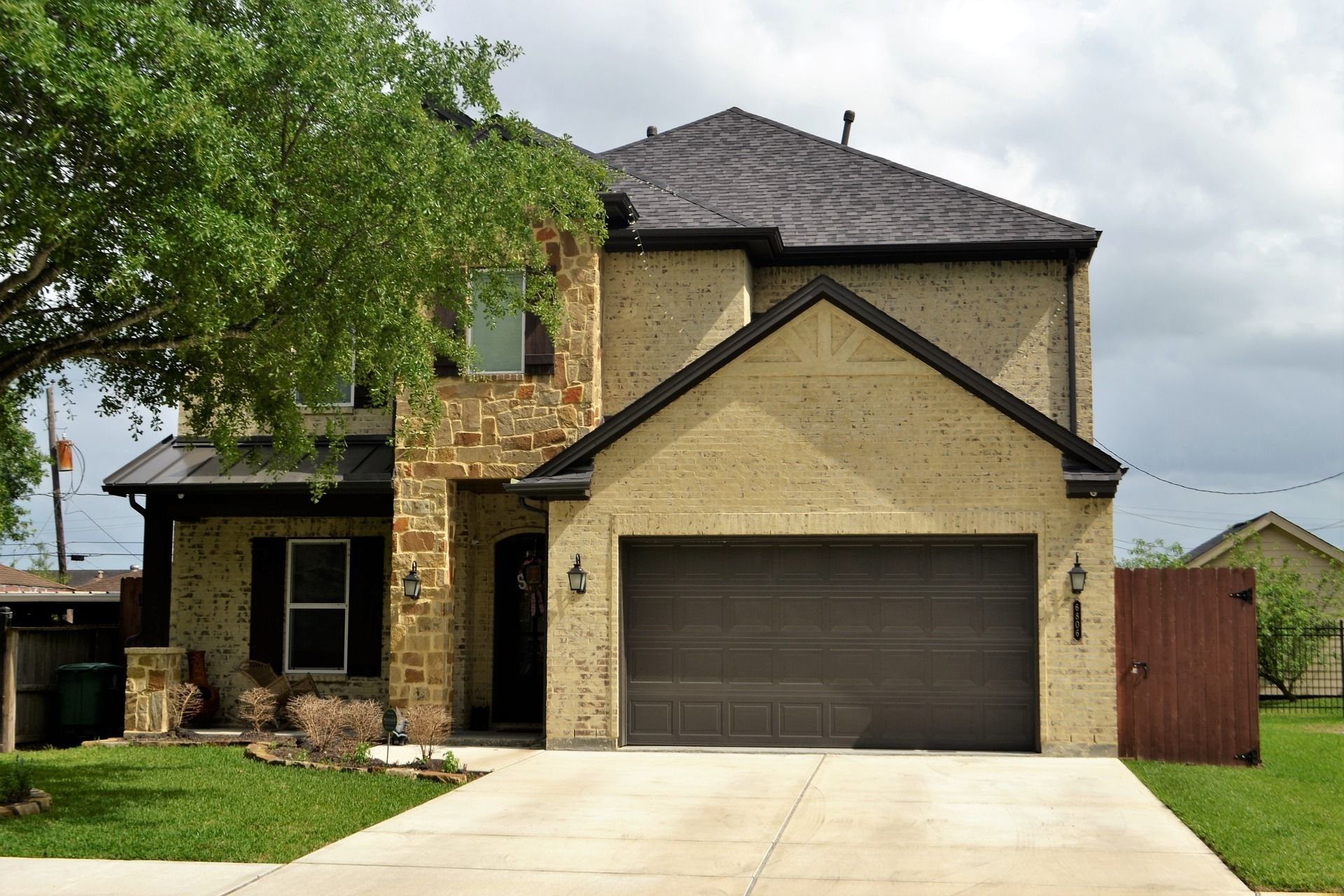


Here are Some Garage Door Safety and Maintenance Tips to Help Protect Your Family and Belongings.
✔ Have a professional garage door technician check your garage door rollers and cables every 6 months to ensure that they are in good working order.
✔ Never do technical or repair work yourself when you can rely on an expert to handle it for you.
✔ Discourage children from playing around or below the garage door opening.
✔ Never leave a disabled person or small child near a garage door unattended.
✔ Teach your children garage door safety early, such as to always keep their hands and fingers clear of contact with a moving garage door and its hardware, such as the section joints, hinges, tracks, springs and other parts of the garage door.
✔ Never let children play with the garage door remote controls or keypad.
✔ Don’t leave an automobile or personal property underneath an open garage door.
✔ Keep the wall button at least 5 feet from the floor and out of the reach of children.
✔ Install garage door safety sensors and have them inspected to ensure they are working properly.
✔ Call us to schedule your annual inspection and ask about our garage door maintenance programs.
Get a Free, No-Obligation Estimate
Get a Free, No-Obligation Estimate